Introduction
Ever stared at seven letters in a honeycomb and felt completely stuck? You’re not alone. The NYT Spelling Bee has turned into one of those daily rituals people quietly obsess over, and when you’re missing that one word, it can genuinely mess with your morning coffee routine.
This guide pulls together everything you need — answers, scoring logic, and the small details that trip people up — so you don’t have to dig around for it. If you just want the fastest route to today’s word list, https://todayspellingbeeanswers.com/ keeps it updated and ready to go the moment the puzzle resets.
What the Puzzle Actually Asks You to Do
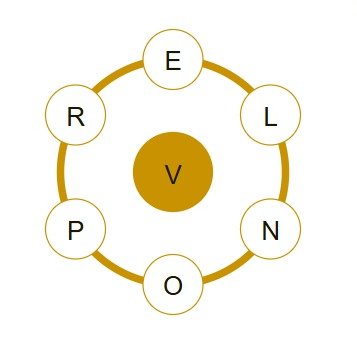
Here’s the setup, in plain terms. The New York Times hands you seven letters arranged in a honeycomb, and one of them — the center letter — has to show up in every word you make. That’s the whole constraint. It sounds simple until you realize how quickly it narrows your options. A fresh set of letters drops every day at 3:00 AM Eastern, so whatever combination you’re wrestling with today will be gone tomorrow, replaced by something entirely different.
Words need to be at least four letters long. Anything shorter doesn’t count, no matter how clever it feels. And letters can repeat — so if the center letter is “T,” a word like “TATTLE” is completely fair game even though “T” shows up three times. That reuse rule catches a lot of newer players off guard, because most word games don’t work that way.
How Scoring Actually Breaks Down
This part trips people up more than it should. A four-letter word earns exactly one point, flat, no matter what the letters are. Once you cross into five-letter territory, though, the math changes — each word scores points equal to its own length. A six-letter word gets six points, a nine-letter word gets nine, and so on. It rewards patience over speed, which is part of why the puzzle keeps people hooked.
Then there’s the pangram, the word that uses all seven letters at least once. Finding it isn’t just satisfying — it hands you seven bonus points on top of whatever the word was already worth. That single bonus is usually what separates someone stuck at “Great” from someone climbing into “Genius” or even “Queen Bee,” which is the rank you get for finding every valid word in the entire puzzle. Most players never chase Queen Bee seriously; Genius is the realistic finish line for a solid day.
Why People Look Up Hints Instead of Answers
Not everyone wants the full list handed to them right away — some players just want a nudge. Maybe you’ve found twelve words and you’re convinced there’s a thirteenth hiding somewhere, or you suspect the pangram but can’t quite land on it. That’s a fair way to play, honestly. It keeps the challenge intact while still giving you a way forward when you’re genuinely stuck rather than just being lazy about it.
If hints aren’t cutting it and you want to actually understand the word-building logic rather than just copy answers, a solver tool can walk you through which letter combinations are even valid, which is a different experience than just reading a finished list.
Catching Up on a Missed Day
Life happens. Maybe you were traveling, maybe your phone died, maybe you just forgot. Whatever the reason, missing a day’s puzzle doesn’t mean it’s lost forever — most sites, including the one above, keep yesterday’s complete word list and pangram archived so you can go back and see what you missed. It’s oddly satisfying to check which words you would have gotten and which ones would’ve stumped you completely.
This is also where a lot of vocabulary actually sticks. Seeing a word like “FACILITATE” pop up as a pangram, then realizing you’d never have guessed it under pressure, teaches you something you’ll probably remember next time a similar letter set shows up.
FAQs
What exactly is a pangram?
A pangram uses all seven letters of the day’s puzzle at least once. It scores the regular word points plus a seven-point bonus. Most days have just one, though occasionally the puzzle hides two.
How does scoring work, again?
Four-letter words are worth one point each. Five-plus letter words score points equal to their length. Pangrams tack on seven bonus points.
What’s the difference between Genius and Queen Bee?
Genius is a strong milestone most dedicated players reach. Queen Bee means you found literally every valid word — the full clean sweep.
Does the puzzle reset at a specific time?
Yes — every day at 3:00 AM Eastern, a brand-new letter set replaces the old one.
Do I need a subscription to play?
The official NYT site requires a Games subscription. Answers and hints, though, are freely available elsewhere without any sign-up.
What’s a “Bingo” in this context?
It’s not an official rank — it’s a self-imposed challenge where you try to find at least one word starting with each of the seven letters.
Conclusion
The Spelling Bee rewards a strange mix of patience, vocabulary, and pattern recognition you don’t really get from most puzzles. Once you understand how scoring works and why the pangram matters so much, the whole thing starts feeling less like guesswork and more like a game you can actually get better at.
Whether you’re chasing Genius rank daily or just killing five minutes with your coffee, knowing the mechanics makes every session a little more rewarding — and a little less frustrating when that thirteenth word just won’t show itself.