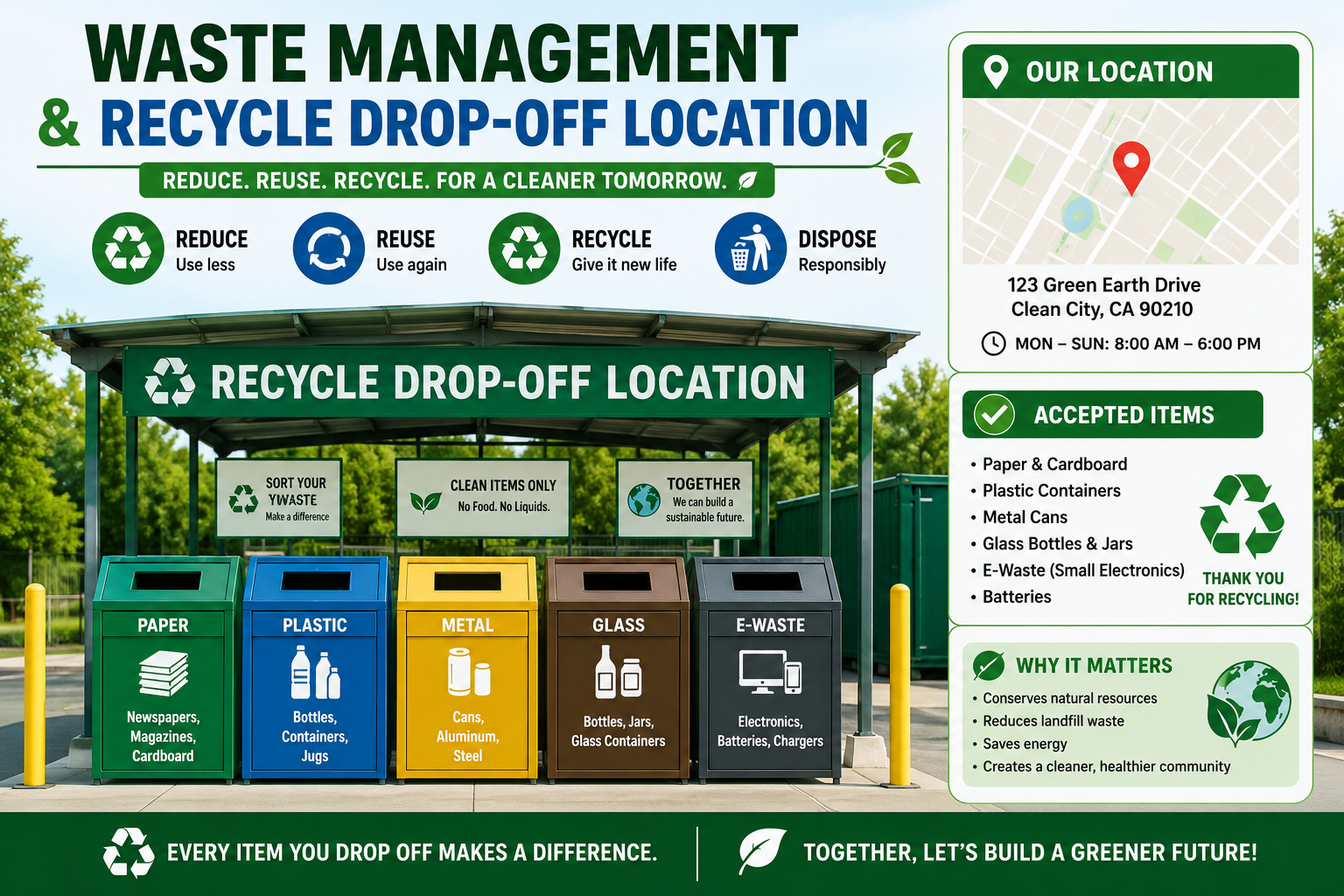
Recycling can seem straightforward until you have a vehicle full of materials and need to decide where everything should go. Cardboard, wood, metal, renovation debris, and other unwanted materials may not belong in the same waste stream. Choosing the right destination can make the difference between effective recycling and sending recoverable resources to disposal.
Finding suitable recycling drop off locations can help homeowners, contractors, property managers, and anyone completing a cleanup handle materials more responsibly. However, a successful recycling trip starts before you leave. Sorting materials, checking acceptance requirements, and preparing your load can save time while supporting better waste management.
Why Recycling Drop Off Locations Matter
Drop-off facilities provide an important destination for materials that may not fit into regular collection programs. This becomes especially useful during renovations, moves, seasonal cleanups, and construction projects.
A large cleanup can generate much more than ordinary household recycling. Wood scraps, metal pieces, cardboard packaging, and certain building materials may all need separate handling.
Instead of putting everything into one mixed load, recycling drop off locations can provide an opportunity to direct recoverable materials toward appropriate streams.
Recycling Starts With Better Decisions
The recycling process does not begin when materials arrive at a facility. It starts when you decide how to handle them.
Separating materials as they are generated helps keep recyclable items cleaner and easier to manage. It can also prevent useful resources from becoming mixed with general garbage.
Sort Materials Before Loading Your Vehicle
One of the simplest ways to improve a recycling trip is to sort everything before transportation.
Create separate groups based on material type. Depending on your cleanup, these categories might include cardboard, metal, wood, construction materials, and general waste.
Keeping categories separate makes it easier to determine where each material belongs.
Keep Recyclables Free From Contamination
Clean materials are generally easier to manage than contaminated ones.
For example, dry cardboard should be kept away from wet waste. Wood intended for an appropriate recycling stream should not be mixed unnecessarily with bags of household garbage.
The goal is not to make every item perfectly clean. Instead, avoid preventable contamination while storing and transporting recyclable materials.
Check Acceptance Requirements in Advance
Not all recycling drop off locations accept identical materials.
A facility may be suitable for some materials but not others. Rules can also differ for bulky items, renovation debris, construction waste, and specialized materials.
Checking before departure prevents one of the most frustrating recycling mistakes: arriving with a load that cannot be accepted.
When planning your trip, you can review a nearby waste and recycling facility as part of determining an appropriate destination for your materials.
Ask Questions About Unfamiliar Items
Some materials are easy to identify. Others are not.
If you are unsure whether something belongs in a particular recycling stream, confirm before mixing it with other materials. Guessing can create contamination or result in an unnecessary trip.
Taking a few minutes to identify unusual items can make the entire process smoother.
Plan Recycling During Renovation Projects
Renovation projects can produce a surprising variety of materials.
Removing walls, flooring, cabinets, fixtures, or other building components may generate wood, drywall, metal, cardboard, and mixed debris. Without a plan, these materials often end up in one large pile.
A better approach is to create sorting areas before demolition begins.
Create Dedicated Material Zones
Choose specific areas for different types of debris. Workers can then place materials in the appropriate location as they are generated.
This method reduces the amount of sorting required later and keeps the work area more organized.
Clear material zones can be particularly valuable on projects lasting several days or weeks.
Make Household Cleanouts More Efficient
Recycling drop off locations are not only useful for construction projects. They can also simplify major household cleanouts.
Garages, sheds, basements, and storage spaces often contain materials accumulated over many years. Instead of deciding that everything is garbage, sort belongings into reuse, recycling, and disposal categories.
Cardboard boxes can be flattened and grouped together. Metal and wood can be separated where appropriate. Items still in usable condition can be considered for responsible reuse.
This system reduces clutter while making final disposal decisions more intentional.
Load Your Vehicle With Unloading in Mind
People often focus on fitting as much as possible into a vehicle without considering what will happen at the destination.
A more efficient approach is to think about unloading before loading.
Keep similar materials together and make separate categories accessible. If certain materials will need to be unloaded first, avoid burying them beneath heavy debris.
Good organization can significantly reduce the time and effort required at recycling drop off locations.
Secure Loose Materials
Transportation safety should always remain a priority.
Lightweight materials such as cardboard, plastic, and small wood pieces can escape from an unsecured vehicle. Larger debris can also shift unexpectedly.
Use suitable restraints or coverings and inspect the load before driving. Never depend on the weight of other materials alone to keep loose debris in place.
Consider Recycling Before General Disposal
Convenience sometimes encourages people to place everything into a general waste stream. However, taking a moment to identify recyclable materials can create better outcomes.
Wood, metal, cardboard, and certain construction materials may have alternatives to direct disposal, depending on local requirements and material condition.
Not every unwanted item will be recyclable. The important habit is checking first rather than assuming everything belongs in the garbage.
Build Recycling Into Future Projects
The easiest recycling system is one established before waste begins accumulating.
If you regularly complete property maintenance, renovations, or construction work, create a repeatable sorting process. Decide where recyclable materials will be stored and how frequently they should be transported.
For households, keeping separate spaces for common recyclables can achieve a similar result.
Over time, sorting becomes part of the cleanup process instead of an additional task.
Conclusion
Choosing recycling drop off locations is about finding an appropriate destination for the materials you actually have. A nearby facility may be convenient, but preparation remains essential for an efficient recycling trip.
Identify and separate materials before transportation, check acceptance requirements, protect recyclables from unnecessary contamination, and secure your load carefully. During renovations or large cleanouts, establish sorting areas from the beginning rather than dealing with one mixed pile at the end.
With thoughtful planning, recycling becomes easier to manage and more useful materials have an opportunity to stay out of the general waste stream