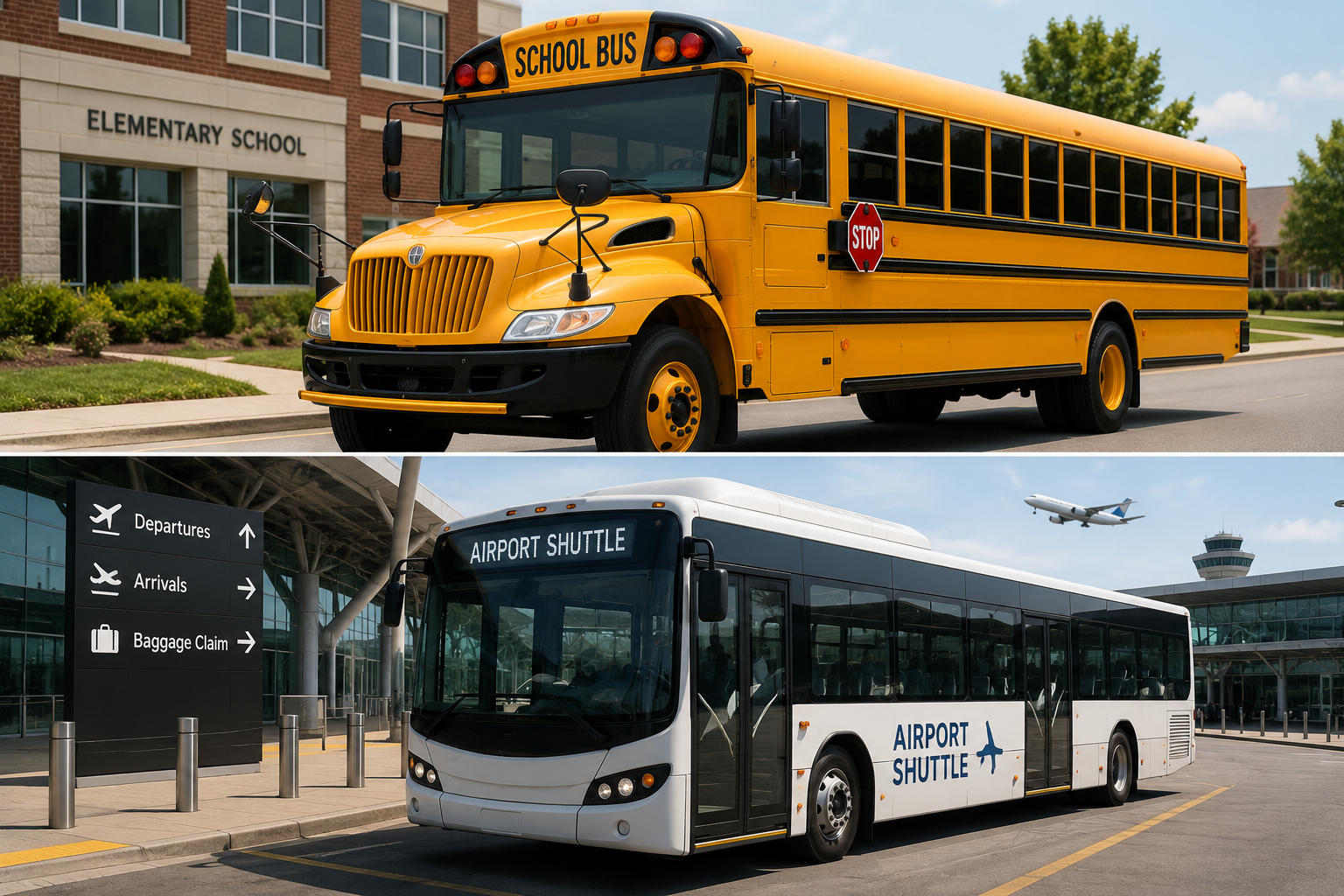
A school trip can turn an ordinary lesson into an experience students remember for years. Whether the destination is a museum, cultural attraction, science centre, sports venue, outdoor learning site, or educational event, transportation plays an essential role in keeping the day organized. Careful planning for School Trips Bus Rentals Toronto helps educators coordinate students, supervisors, schedules, and belongings while reducing unnecessary complications.
The best school journeys rarely happen by accident. They depend on preparation behind the scenes. From creating passenger lists to choosing meeting points and allowing enough travel time, every transportation decision can influence how smoothly the excursion unfolds.
Build Transportation Around the Educational Itinerary
Instead of treating transportation as a separate task, coordinators should make it part of the overall trip schedule. Start with the time students must arrive at the destination and work backward to determine a practical departure time.
Consider how long students need to assemble, complete attendance checks, board, and prepare for departure. Then account for expected road conditions and a reasonable time buffer.
School Trips Bus Rentals Toronto planning becomes more effective when the schedule allows flexibility rather than depending on ideal conditions.
Avoid an Overly Tight Timeline
Educational venues often have scheduled admission periods, workshops, presentations, or guided activities. Arriving late could reduce the time students have to participate.
However, leaving without enough preparation can also create confusion. Building additional time into the morning gives teachers an opportunity to handle unexpected issues before the journey begins.
A balanced schedule helps students start the day in a calmer and more organized way.
Organize Students Before Boarding
One of the simplest ways to improve group transportation is to organize passengers before they approach the boarding area.
Teachers can divide students into classes, age groups, or smaller supervision groups. Each adult can then be responsible for confirming the attendance of assigned students.
When coordinating School Trips Bus Rentals Toronto, an up-to-date passenger list can help make departure and return procedures more efficient.
Establish Clear Meeting Instructions
Students should know exactly where and when to assemble. Instructions such as “meet outside” can be unclear when a school has several entrances or gathering areas.
A specific meeting point reduces unnecessary movement and helps teachers conduct attendance checks.
The same principle applies at the destination. Before students begin activities, they should understand where they need to gather for the return journey.
Prepare for Different Types of School Trips
Not every excursion has the same transportation requirements. A short educational visit within the city requires different preparation from a full-day outdoor activity.
School Trips Bus Rentals Toronto may be relevant for museum visits, sports competitions, performing arts events, academic programs, campus tours, environmental studies, and other group activities.
Each journey should be evaluated individually.
Sports groups, for instance, may travel with additional equipment. Music students may carry instruments, while outdoor programs can require backpacks and weather-related gear.
Understanding these requirements before departure makes it easier to organize passengers and belongings.
Make Supervision Part of the Travel Plan
Supervision does not begin when students arrive at the destination. It starts at the original meeting point and continues throughout the journey.
Teachers and accompanying adults should understand their responsibilities before boarding. Assigning students to specific supervisors can make headcounts easier at every stage.
Families and educators researching organized school trip transportation may benefit from considering supervision procedures alongside timing and destination requirements.
School Trips Bus Rentals Toronto planning should support the school’s established approach to managing student groups.
Conduct Multiple Headcounts
Attendance should be confirmed before leaving the school, after major transitions when appropriate, and before returning from the destination.
For larger groups, supervisors can count their assigned students and report totals to the trip coordinator.
This approach is generally more manageable than asking one person to repeatedly count an entire group.
Communicate With Parents and Students
Good communication reduces uncertainty before the excursion. Parents and guardians should receive essential trip information with enough time to prepare.
Useful details include the meeting time, departure schedule, expected return window, clothing requirements, meals, permitted belongings, and any relevant instructions.
Students should also understand expectations for boarding and returning to the designated meeting area.
When School Trips Bus Rentals Toronto arrangements are clearly communicated, teachers are less likely to spend departure morning answering basic logistical questions.
Prepare for Traffic and Unexpected Delays
Road conditions are not always predictable. Congestion, construction, weather, or major events can change travel times.
Organizers should consider the time of day and avoid building an itinerary that leaves no room for delays.
If the expected return time changes significantly, schools should have a communication method ready for informing parents or guardians.
Create a Simple Backup Plan
A backup plan does not need to be complicated. Coordinators can identify who will communicate schedule changes, who maintains attendance information, and how supervisors should respond if activities run later than expected.
Having responsibilities established beforehand allows staff to react efficiently without creating unnecessary confusion.
Remember Accessibility and Individual Needs
An inclusive trip plan considers the requirements of every participant. Accessibility or mobility needs should be identified early so transportation arrangements can be planned appropriately.
Some students may also need additional time when boarding or moving between locations.
School Trips Bus Rentals Toronto planning should take these individual circumstances into account from the beginning instead of treating them as last-minute adjustments.
Finish the Day With an Organized Return
After an exciting day, students may be tired and less attentive to belongings or instructions. That makes a structured return procedure particularly useful.
Teachers should gather students at the agreed location, conduct a final attendance check, and remind everyone to collect personal items.
School Trips Bus Rentals Toronto arrangements should include a realistic return estimate that accounts for afternoon or evening traffic.
Once the group arrives back at the original location, supervisors can follow the school’s established dismissal procedures.
Conclusion
Successful educational travel combines learning opportunities with careful organization. Clear meeting points, realistic schedules, passenger lists, supervision plans, communication procedures, and appropriate preparation all contribute to a better experience.
When transportation is incorporated into the itinerary from the beginning, educators can spend less time managing preventable logistical problems. Thoughtful School Trips Bus Rentals Toronto planning helps create an orderly journey so teachers and students can focus on the educational experiences that make school trips worthwhile.