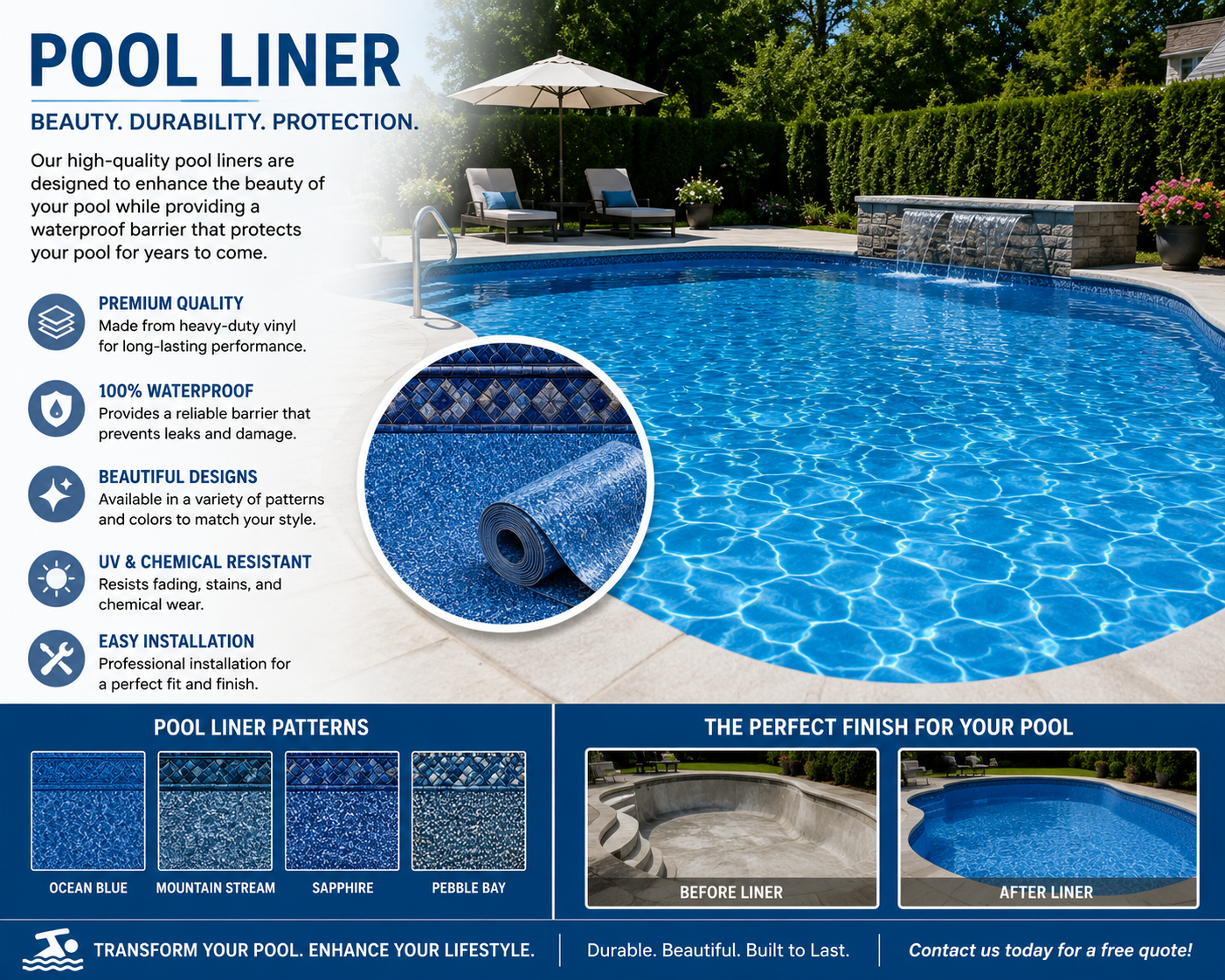
A swimming pool can remain a valuable part of a backyard for many years, but time eventually leaves its mark. Surfaces begin to look dated, liners show wear, surrounding areas become less functional, and certain components may no longer perform as effectively as they once did. In other cases, the pool still works well, but its design no longer matches how the household uses the backyard.
Well-planned pool renovations can address these concerns without necessarily starting over with an entirely new swimming area. Renovating provides an opportunity to correct existing problems, update the appearance, improve functionality, and create a backyard that better suits current needs.
The key is knowing what to prioritize before work begins.
When Should You Consider Renovating a Pool?
Not every aging pool requires extensive changes. Some issues can be handled through routine maintenance or individual repairs. Renovation becomes worth considering when several areas need attention or when homeowners want a meaningful change in appearance and usability.
Common signs include:
- Worn or deteriorating surfaces
- Persistent liner problems
- Cracked or damaged surrounding areas
- Outdated pool features
- Poor backyard flow
- Difficult access around the pool
- Aging components requiring repeated attention
A renovation can also be purely lifestyle-driven. A pool designed years ago may simply no longer meet the needs of the people using it today.
Start With a Complete Pool Assessment
Before choosing finishes or planning visual upgrades, examine the current condition of the swimming pool.
A thorough assessment should consider the pool structure, liner or interior surface, plumbing-related areas, fittings, surrounding deck or patio, drainage, and other visible components.
Separate Necessary Work From Desired Upgrades
Creating two categories can make planning easier.
The first should include issues affecting condition, function, or safety. The second can cover improvements intended primarily to enhance appearance, convenience, or enjoyment.
Necessary work should generally take priority. There is little benefit in improving the appearance of a pool while leaving underlying problems unresolved.
Update the Pool’s Appearance Strategically
Visual improvements can dramatically change how an older swimming pool feels.
A worn liner, dated surrounding surface, or tired backyard layout can make the entire area appear older than it actually is. Updating selected elements can create a cleaner, more contemporary appearance without changing every part of the backyard.
The goal should be consistency. Pool finishes, patios, decks, fencing, and landscaping should complement one another rather than compete visually.
Improve How the Backyard Functions
Successful pool renovations are not limited to cosmetic changes. They can also make the swimming area easier and more enjoyable to use.
Think about how people move through the backyard. Is there enough room around the pool? Are seating areas conveniently positioned? Can swimmers move comfortably between the house and water? Is maintenance access straightforward?
An experienced local pool renovation professional can help evaluate existing conditions and identify areas where practical improvements may be possible.
Consider the Area Surrounding the Pool
The swimming pool is usually the focal point, but the surrounding environment has a major impact on the overall experience.
Patios and Decks
An aging patio or deck can affect both appearance and usability. Renovation may provide an opportunity to rethink walking routes, seating areas, gathering spaces, and transitions between different parts of the backyard.
Fencing and Privacy
Pool areas should feel secure and comfortable. Existing fencing may need attention due to age, layout changes, or evolving backyard needs.
Privacy is another consideration. Thoughtful positioning of barriers and surrounding features can make the pool environment feel more relaxing.
Storage and Organization
Pool equipment, maintenance supplies, toys, and outdoor furniture all need appropriate storage. Incorporating practical organization into a renovation can reduce clutter and keep frequently used items accessible.
Address Drainage and Water Management
Water management is easy to overlook when focusing on visual changes.
Rainwater and splash-out need somewhere to go. Poor drainage around a swimming pool can contribute to standing water, uncomfortable walking surfaces, and deterioration of surrounding areas.
During renovation planning, observe how water currently moves through the backyard. Correcting drainage concerns while other work is underway can improve the long-term functionality of the space.
Plan Pool Renovations Around Future Maintenance
A renovated swimming pool should not only look better; it should also remain practical to maintain.
Easy access to important components can simplify routine inspections and seasonal care. Similarly, choosing layouts and surfaces that are manageable to clean can reduce unnecessary work later.
Think beyond the first swimming season. Decisions made during renovation can influence maintenance requirements for years.
Avoid Renovating Without a Clear Plan
Changing individual elements without considering the complete backyard can lead to inconsistent results.
For example, updating the pool while ignoring a deteriorating surrounding area may make the contrast more noticeable. Likewise, changing a patio without considering pool access could create awkward movement through the space.
A clear renovation plan helps establish priorities and ensures that individual improvements support the same overall goal.
Make Safety Part of Every Renovation Decision
Renovation is an ideal time to review pool-area safety.
Check walking surfaces, access points, visibility, barriers, and areas where people regularly enter or leave the pool. Changes to the backyard layout should maintain practical circulation and avoid creating unnecessary obstacles.
Households with children or frequent visitors should pay particular attention to how easily the swimming area can be supervised.
Think About Long-Term Use
A backyard should evolve with the people who use it.
Before finalizing renovation plans, consider how your needs may change over the coming years. Flexible seating areas, practical pathways, accessible pool surroundings, and adaptable outdoor spaces can make the backyard useful for different activities and stages of life.
Rather than following short-lived design trends, prioritize improvements that combine appearance with everyday practicality.
Conclusion
Pool renovations can give an aging swimming area a new purpose while addressing problems that have developed over time. The most effective projects begin with a careful assessment of existing conditions and a clear understanding of what homeowners want from their backyard.
Prioritize necessary repairs, then consider improvements to appearance, movement, surrounding surfaces, privacy, drainage, storage, and maintenance access. Looking at the pool and backyard as one connected environment can produce a more cohesive result.
With thoughtful planning, renovation can do much more than make an older pool look newer. It can create a safer, more functional, and more enjoyable outdoor space designed to serve the household for many swimming seasons ahead.