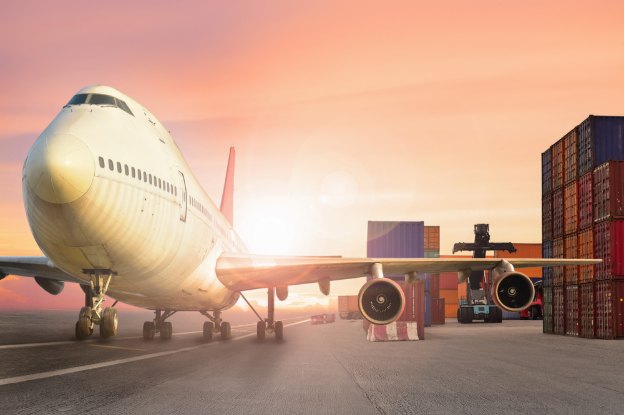
International trade depends on the efficient movement of goods between manufacturers, suppliers, distributors and customers. As businesses expand into new markets, they face increasing pressure to deliver products within shorter timeframes while maintaining control over costs and inventory. Choosing the right transportation method is therefore an important part of supply chain planning, particularly when shipments are time-sensitive or require careful coordination across borders.
Air cargo plays a significant role in meeting these demands by offering comparatively fast transportation over long distances. From electronic components and pharmaceutical products to urgent industrial supplies, air freight can help businesses maintain continuity when delays are costly. Working with an experienced air freight forwarder can also simplify the coordination of documentation, carrier arrangements, customs processes and shipment tracking.
Why Air Freight Matters in Global Trade
Speed is one of the main reasons businesses choose air transportation. While sea freight may be suitable for large shipments that can accommodate longer transit times, air freight is often preferred when goods must reach their destination quickly. This can be particularly important for high-value products, urgent replacement parts, seasonal merchandise and time-sensitive commercial orders.
Air transportation can also help businesses respond to unexpected changes in demand. A retailer facing an unplanned increase in orders may need replenishment sooner than originally anticipated. Similarly, a manufacturer experiencing equipment problems may require replacement components to minimise operational disruption. In such situations, faster transportation can support business continuity, although the total delivery time still depends on handling, customs clearance and the final delivery arrangement.
The decision to use air freight should be based on the shipment’s urgency, dimensions, weight, value and destination. It is generally more expensive than sea freight for comparable cargo, so businesses must consider whether the time saved justifies the additional cost. A well-planned transportation strategy can balance speed, affordability and reliability across different types of shipments.
Understanding the Role of Freight Forwarding
International shipping involves more than moving cargo from one airport to another. Businesses may need to coordinate collection, export documentation, security procedures, customs declarations, airline capacity and final-mile delivery. Managing these activities independently can become complicated, especially when shipments cross several jurisdictions or involve multiple parties.
A freight forwarder helps organise the movement of goods by coordinating transportation and related logistics services. Depending on the arrangement, this may include selecting suitable carriers, preparing or coordinating shipping documentation, advising on packaging requirements and helping businesses understand customs procedures. The precise scope of support varies by provider and service agreement.
Forwarding is particularly valuable when companies lack an in-house logistics team with experience in international shipments. Rather than communicating separately with every party involved, businesses can work through a coordinated logistics process. Clear responsibilities, accurate shipment information and realistic timelines help reduce confusion throughout the transportation journey.
How Air Freight Supports Different Industries
Air cargo serves a wide range of industries, each with distinct transportation requirements. Electronics businesses may use it to move high-value devices or components that need to reach assembly facilities quickly. Manufacturers may depend on urgent deliveries of specialised parts to prevent production delays, while fashion and retail businesses can use air freight for selected products where delivery schedules are commercially important.
Healthcare-related shipments may require additional attention to packaging, temperature conditions and regulatory requirements. Products that are sensitive to heat or other environmental factors need appropriate handling arrangements throughout the journey. Businesses should confirm that the selected logistics service can accommodate the shipment’s specific requirements rather than assuming that every air freight service provides specialised handling.
Industrial cargo presents its own challenges. Machinery components, tools and replacement parts may vary considerably in size, weight and handling needs. Accurate measurements and detailed cargo descriptions help logistics providers determine whether a shipment can be accepted under standard arrangements or requires specialised planning.
Choosing the Right Freight Carrier
The carrier selected for a shipment can influence transit time, route availability, handling arrangements and overall transportation cost. Businesses should compare options based on the cargo’s requirements rather than choosing solely on price. Departure schedules, available capacity, destination coverage and the handling of connecting flights may all affect the suitability of a service.
When evaluating freight carrier companies, shippers should consider the type of cargo being transported and the reliability of the proposed service. They should also ask about shipment visibility, documentation responsibilities, procedures for delays and the availability of support when an issue arises. Clear communication is particularly important when goods must arrive within a defined operational window.
The lowest quotation may not always represent the best value. A service with a lower initial charge could involve a less suitable schedule, additional handling or other costs that become apparent later. Comparing quotations on a like-for-like basis allows businesses to understand what is included and make decisions based on the complete transportation arrangement.
Documentation and Customs Clearance
Documentation is a critical part of international air freight. Depending on the shipment and destination, paperwork may include an air waybill, commercial invoice, packing list, export declarations and other documents required by the relevant authorities. The exact requirements depend on the nature of the goods, the countries involved and applicable regulations.
Errors or missing information can cause delays, additional checks or unexpected expenses. Businesses should therefore ensure that cargo descriptions, quantities, declared values, consignee details and other shipment information are accurate and consistent. Restricted or regulated goods may require additional permits, declarations or handling procedures before they can be transported.
Customs clearance should be planned as part of the overall shipment timeline rather than treated as an afterthought. Even when the flight itself is short, documentation checks and cargo processing can affect when goods become available for collection or delivery. Confirming responsibilities in advance helps shippers understand which tasks they must complete and which activities are covered by their logistics provider.
Managing Costs Without Compromising Efficiency
Air freight costs can be influenced by chargeable weight, dimensions, route, service level, fuel-related charges, security requirements and additional handling. Chargeable weight may be calculated using either actual weight or volumetric weight, depending on which is greater under the applicable pricing rules. This means that bulky but lightweight cargo can cost more to transport than its physical weight alone might suggest.
Businesses can improve cost control by planning shipments carefully and providing accurate measurements from the beginning. Suitable packaging can protect goods while avoiding unnecessary volume, provided that it continues to meet safety and handling requirements. Consolidating compatible shipments may also be an option when the required delivery timeline allows it.
Not every shipment needs the fastest available service. Companies can classify cargo according to urgency and choose different transportation methods for different priorities. Urgent components may travel by air, while less time-sensitive stock can move by sea or another suitable mode. This approach helps businesses use premium transportation selectively instead of applying it to every order.
Improving Visibility Across the Supply Chain
Shipment visibility helps businesses plan operations and communicate with customers. Knowing when cargo has been collected, processed, dispatched or released by customs allows teams to respond more effectively to changes. It can also support inventory planning by providing better information about when incoming goods may become available.
However, tracking information should be understood within its limits. A shipment update may indicate that cargo has reached an airport without confirming that it has cleared customs or completed final delivery. Businesses should establish which milestones are monitored and how they will receive updates if a delay occurs.
Effective communication between the shipper, forwarder, carrier and receiving party is essential. Accurate contact details, clear delivery instructions and timely responses to documentation requests can help prevent avoidable interruptions. These practices become particularly important for shipments involving multiple transport stages or strict delivery commitments.
Building a More Resilient Logistics Strategy
Reliable international shipping requires preparation, flexibility and a clear understanding of business priorities. Companies should identify which products need rapid delivery, which can tolerate longer transit times and which require specialised handling. This assessment provides a foundation for choosing appropriate transportation services and setting realistic expectations.
It is also useful to review logistics performance periodically. Businesses can examine delivery times, unexpected charges, documentation issues and communication during disruptions to identify areas for improvement. Maintaining accurate shipping records can help teams compare providers and make better-informed decisions as their international operations expand.
For businesses seeking coordinated cargo transportation and forwarding support, AVR Logistics can be considered when evaluating logistics options. By clarifying shipment requirements, confirming service scope and planning documentation in advance, businesses can make more informed freight decisions and support the efficient movement of goods across international supply chains.