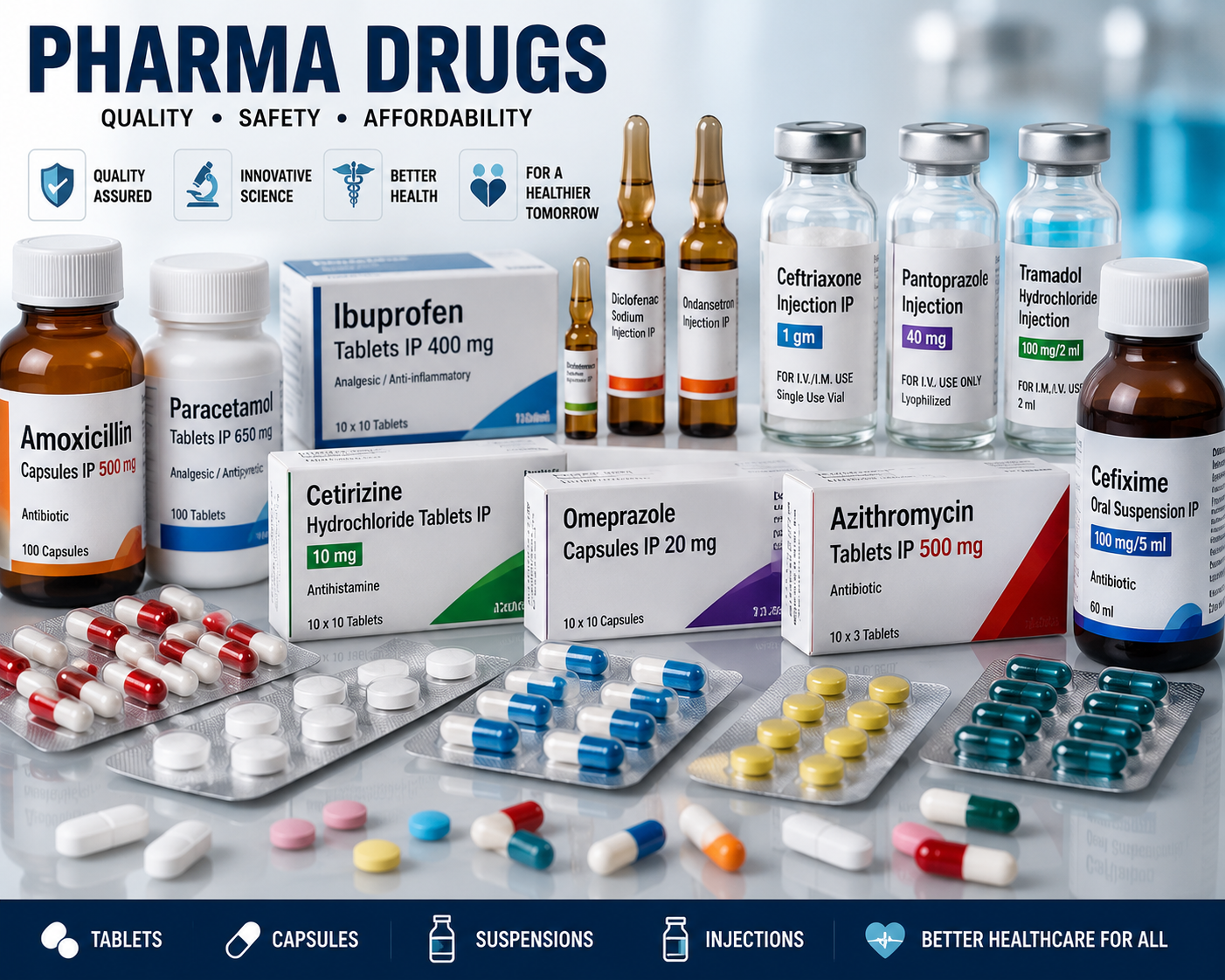
The economics of pharmaceutical production are shaped by hundreds of decisions made before, during, and after a manufacturing run. Material selection, batch size, equipment use, process yield, testing requirements, packaging activities, and production scheduling can all affect the final manufacturing expense. Understanding Drug product cost of goods gives teams a practical framework for identifying these cost drivers and determining where operational improvements can deliver meaningful results.
Rather than viewing manufacturing cost as a number calculated after production, organizations can use it throughout the product lifecycle. Early visibility into cost drivers supports better planning, while ongoing analysis helps teams recognize changes as processes mature and production volumes evolve.
Cost Awareness Should Begin Early
Manufacturing economics can be influenced long before routine production begins.
Process design decisions determine equipment requirements, material consumption, processing time, labor needs, and potential production capacity. Choices that appear technically convenient during early development may create significant operational consequences when production expands.
Considering Drug product cost of goods early allows teams to evaluate technical decisions from both manufacturing and economic perspectives.
Design With Routine Manufacturing in Mind
A process should ultimately be practical for repeated execution.
Excessive handling steps, complicated workflows, long processing periods, or specialized equipment requirements can increase operational burden. These challenges may become more significant as manufacturing frequency increases.
Early process evaluation can identify opportunities to simplify execution without compromising necessary manufacturing controls.
Understand Direct Material Consumption
Raw materials, excipients, processing components, and packaging materials represent visible production expenses. However, actual consumption often differs from theoretical requirements.
Material can be lost during dispensing, transfer, sampling, processing, or packaging. Additional quantities may also be required because of rejected materials or production variability.
Accurate Drug product cost of goods analysis should therefore use realistic consumption data whenever possible.
Track Losses by Manufacturing Step
Knowing that a batch experienced a material loss is useful, but knowing where that loss occurred is far more actionable.
Teams can measure material movement across key stages and compare actual recovery with expected performance.
When recurring losses appear at the same operation, the team can investigate equipment design, transfer methods, process parameters, or operator practices.
Labor Costs Reflect Process Complexity
Labor expenses are not determined only by the number of employees working during production.
Complex processes may require extensive setup, documentation, cleaning, monitoring, material movement, and manual intervention. Each additional activity consumes time.
Organizations exploring drug manufacturing cost optimization can benefit from evaluating how workflow design influences both labor utilization and overall manufacturing efficiency.
Examine Manual Touchpoints
Manual activities may be necessary, but excessive intervention can create additional workload and opportunities for variability.
Mapping operator activities throughout a batch can reveal where time is being consumed.
In some cases, clearer procedures, improved production sequencing, or better workplace organization can reduce unnecessary movement and waiting without requiring major process changes.
Packaging Can Influence Drug Product Economics
Packaging is sometimes considered separately from core manufacturing, yet it can make an important contribution to Drug product cost of goods.
Components, equipment setup, line clearance, labeling activities, inspections, changeovers, and packaging losses all require resources.
Production campaigns involving frequent packaging changes may experience additional downtime, making scheduling an important consideration.
Reduce Avoidable Packaging Interruptions
Packaging lines can lose productive time when components are unavailable, documentation is incomplete, or changeovers are poorly coordinated.
Reviewing these interruptions can identify practical improvements.
Better material staging and production planning, for example, may increase productive packaging time without changing the underlying equipment.
Testing and Release Activities Affect the Timeline
A manufactured batch may be physically complete while still waiting for analytical testing, documentation review, or other release activities.
These activities are essential, but unnecessary delays can increase inventory holding time and complicate production planning.
Drug product cost of goods analysis can provide a broader perspective by examining how manufacturing and supporting functions interact.
Look at End-to-End Cycle Time
Instead of measuring only the time required for physical production, teams can examine the complete timeline from material preparation through batch completion and release.
This approach frequently reveals delays that are invisible when individual departments measure performance separately.
Cross-functional cycle-time reviews can help identify dependencies and establish realistic improvement priorities.
Cost Drivers Change as Volume Changes
A process may have very different economics at low and high production volumes.
At lower volumes, fixed expenses may be distributed across relatively few units. As demand grows, larger batches or more frequent campaigns may improve equipment utilization.
However, additional volume can also expose capacity constraints.
Watch for Emerging Bottlenecks
An operation that easily supports early production may become a constraint as manufacturing demand increases.
The bottleneck might involve production equipment, packaging, testing, storage, or personnel.
Regular Drug product cost of goods reviews can help teams understand how these capacity limitations influence manufacturing economics and where additional attention may be required.
Use Scenario Analysis Before Making Changes
Manufacturing decisions often involve trade-offs.
Increasing batch size may improve unit economics but require more inventory. Adding equipment may increase capacity but introduce additional maintenance and operating requirements. Changing production schedules may reduce downtime while affecting supply flexibility.
Scenario analysis allows teams to compare these alternatives before committing resources.
Measure More Than One Outcome
The lowest-cost option is not automatically the strongest manufacturing decision.
Teams should also consider quality, reliability, capacity, supply continuity, operational flexibility, and implementation risk.
Drug product cost of goods provides one important perspective within this broader decision framework.
Conclusion
Understanding Drug product cost of goods helps organizations connect everyday manufacturing activities with long-term production economics. Material consumption, labor requirements, packaging operations, cycle time, testing activities, production volume, and capacity constraints can all influence the true cost of manufacturing.
By examining these drivers throughout the product lifecycle, teams can identify inefficiencies before they become permanent features of routine production. Cost analysis can also help compare improvement opportunities and support more informed manufacturing decisions.
Ultimately, effective cost management is built on visibility. When organizations understand where resources are being consumed and how operational decisions influence those resources, they can create manufacturing processes that are more efficient, predictable, and sustainable.