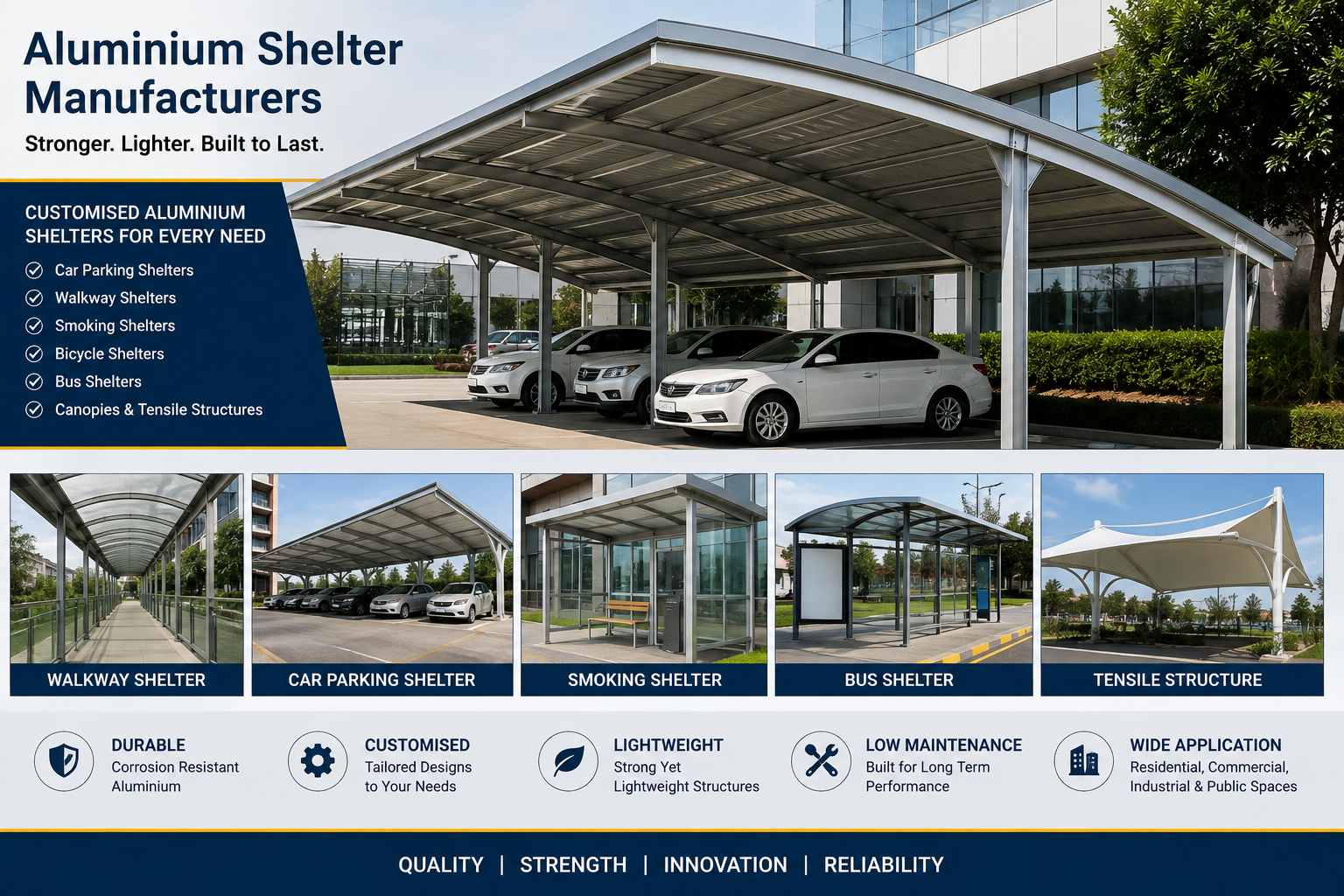
Every successful transit journey includes time spent waiting. Although that period may be brief, the quality of the waiting environment can strongly influence a passenger’s overall experience. Protection from harsh weather, enough room to move comfortably, good visibility, and a clean layout can turn an ordinary roadside stop into a practical piece of public infrastructure.
For planners responsible for these spaces, choosing experienced transit shelter manufacturers requires more than comparing shelter shapes or materials. The right approach considers how a structure will perform at a particular location, how passengers will interact with it, and how easily it can be maintained throughout its working life.
Begin With the Location, Not the Shelter
One of the most effective ways to plan a transit shelter is to study the site before selecting the structure.
Sidewalk width, nearby intersections, passenger numbers, surrounding buildings, vehicle sightlines, and weather exposure can vary significantly between stops. These details should influence the shelter’s dimensions and configuration.
Transit shelter manufacturers capable of supporting different layouts can make it easier to respond to these site-specific conditions.
Observe How Passengers Use the Space
Passenger behavior provides valuable information. Some stops experience concentrated crowds during morning and evening travel periods, while others maintain lighter but steady activity throughout the day.
Understanding these patterns can help determine appropriate shelter capacity, seating placement, entry points, and circulation space.
The shelter should support movement rather than becoming an obstacle within an already busy pedestrian environment.
Materials Need to Handle Everyday Exposure
Transit infrastructure rarely gets a break from environmental conditions. Shelter components may face moisture, strong sunlight, dust, wind, temperature changes, and repeated contact from passengers.
That makes material selection a central part of long-term planning.
Reliable transit shelter manufacturers consider how frames, panels, roofing components, connections, and finishes will perform together. A durable shelter depends on the entire assembly rather than one strong material.
Construction Details Make a Difference
Small details can have a large impact over time. Connections should remain secure, panels need adequate support, and structural components should be suited to expected conditions.
Drainage also deserves attention. Rainwater should be directed away from primary waiting and boarding areas wherever practical.
Evaluating these details before installation can help reduce avoidable maintenance challenges later.
Passenger Comfort Goes Beyond Providing Cover
A roof provides shade and some rain protection, but a comfortable waiting environment requires a broader approach.
Side panels can reduce exposure to wind and wind-driven rain. Meanwhile, open or transparent areas can preserve visibility and help passengers monitor approaching vehicles.
Effective transit shelter manufacturers balance these competing needs instead of maximizing enclosure without considering the consequences.
Accessibility Should Shape the Layout
Public transportation serves passengers of different ages and abilities. The shelter should therefore support people using wheelchairs, walkers, strollers, mobility devices, or luggage.
Keep Circulation Routes Clear
Internal dimensions should allow passengers to enter, wait, and leave without unnecessary obstacles. Seating, panels, and other structural elements should not block important movement routes.
The area around the shelter matters as well. Placement should consider sidewalks and boarding zones so the structure does not create avoidable bottlenecks.
Anyone exploring transit infrastructure options nearby can benefit from assessing accessibility and pedestrian movement as part of the initial site review.
Good Shelter Design Supports Visibility
Visibility affects both convenience and the overall experience of waiting.
Passengers generally need a clear view of approaching transit vehicles. An excessively enclosed structure can make this difficult, especially at locations where vehicles approach from an angle.
Transparent panels or carefully positioned openings can help maintain sightlines.
Transit shelter manufacturers should also consider how shelter components interact with nearby signs, landscaping, street furniture, and pedestrian routes. A well-positioned structure can provide protection without creating unnecessary visual barriers.
Maintenance Planning Can Reduce Future Challenges
A shelter’s responsibilities do not end once installation is complete. Regular cleaning, inspections, and occasional component replacement are part of operating public infrastructure.
Design choices can make these activities easier.
Replaceable Components Add Practicality
If a damaged panel can be replaced individually, maintenance may be simpler than repairing a structure built from difficult-to-access components.
Similarly, surfaces should be reasonably straightforward to clean. Areas where debris or water can accumulate should be minimized wherever possible.
When evaluating transit shelter manufacturers, considering long-term maintenance requirements can reveal important differences between seemingly similar designs.
Appearance Has a Role in Public Infrastructure
A transit shelter occupies a visible position within a community. It becomes part of the streetscape alongside lighting, sidewalks, landscaping, signs, and surrounding architecture.
For this reason, visual compatibility should not be ignored.
Shelter proportions, roof forms, panel arrangements, and finishes can be adapted to suit different environments. A design appropriate for a modern urban corridor may differ from one intended for a quieter residential or institutional setting.
Flexible transit shelter manufacturers can help planners maintain functional consistency while allowing suitable visual variation between locations.
Make Decisions With the Full Life Cycle in Mind
The best shelter is not necessarily the one that looks most impressive immediately after installation. Long-term value depends on how effectively it continues serving passengers after years of exposure and everyday use.
Durability, accessibility, weather protection, visibility, maintenance, and site compatibility should therefore be considered together.
Choosing transit shelter manufacturers with these priorities in mind can lead to waiting spaces that are more practical for passengers and easier to manage over time. When careful site planning is combined with durable construction and thoughtful design, a transit shelter becomes an integral part of a dependable, welcoming, and well-organized transportation environment.