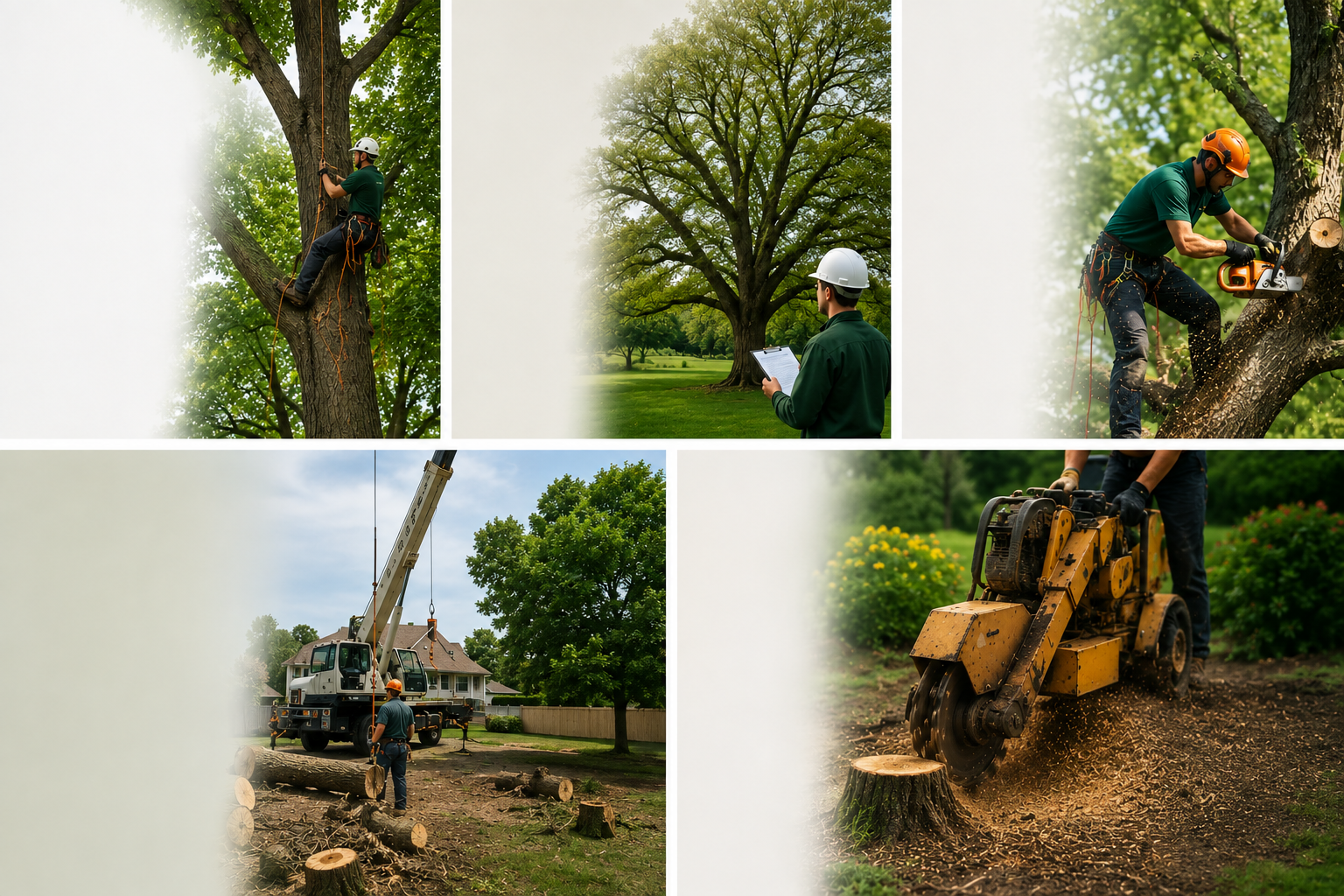
Trees can remain part of a landscape for decades, yet their condition can change gradually without attracting much attention. A healthy-looking canopy may hide weak branches, internal decay, root stress, or structural concerns. A certified arborist brings specialized knowledge to tree evaluation and helps property owners understand what their trees need for safer, healthier growth. Instead of relying on appearance alone, informed tree care considers biology, structure, location, and environmental conditions together.
What Makes Tree Assessment Important?
Trees are complex living organisms. Their roots, trunks, branches, and leaves work together, which means a problem in one area can eventually affect the entire tree.
For example, compacted soil around roots may reduce access to water and oxygen. The resulting stress might not become obvious in the canopy immediately. Similarly, decay inside a trunk can progress while the outside continues to look relatively normal.
A certified arborist evaluates these interconnected factors to develop a clearer picture of tree condition.
Looking Beyond Visible Damage
Broken branches are easy to notice, but many warning signs are less obvious. Changes in leaf size, unusual bark patterns, cavities, fungal growth, weak branch unions, and thinning sections of the canopy can indicate developing concerns.
Tree location also influences the assessment. A structurally questionable limb above an unused section of a yard presents a different situation from one hanging over a driveway, walkway, or occupied area.
Understanding Tree Health Through Professional Knowledge
Healthy trees require suitable growing conditions as well as appropriate maintenance. Soil quality, drainage, sunlight, available root space, weather, and nearby construction can all influence development.
A certified arborist considers these factors instead of treating every visible symptom as an isolated issue. This approach helps identify possible underlying causes rather than simply addressing what appears on the surface.
Recognizing Environmental Stress
Trees regularly experience environmental pressure. Extended dry periods, excessive moisture, strong winds, compacted ground, excavation, and changes in surrounding landscaping can create stress.
Signs may develop slowly. Leaves might appear smaller than normal, branches may die back, or growth may become uneven. Early evaluation can provide useful information before decline becomes more extensive.
Property owners interested in local professional tree guidance can benefit from understanding these warning signs and monitoring changes over time.
Structural Safety Is More Than Tree Appearance
A large tree can look impressive while still containing structural weaknesses. Multiple trunks, included bark, long heavy branches, cracks, decay, and uneven growth can increase the possibility of branch or tree failure.
A certified arborist examines how the tree carries its weight and responds to environmental forces. This structural perspective becomes especially important as trees mature.
When Storms Reveal Hidden Weaknesses
Severe weather can place considerable stress on branches, trunks, and roots. After strong winds or heavy rainfall, obvious damage such as broken limbs deserves attention. However, less visible changes can matter too.
A new lean, exposed roots, fresh cracks, hanging branches, or movement around the base may indicate structural changes. A careful assessment can help determine the extent of the concern.
Pruning Requires Careful Decisions
Pruning can support tree structure and appearance when performed for a clear reason. However, removing too much living growth or making unnecessary cuts may place additional stress on a tree.
A certified arborist can identify branches that are dead, damaged, crossing, poorly attached, or interfering with healthy development.
Different Trees Have Different Needs
There is no single pruning approach suitable for every tree. Species, age, condition, location, and growth habits all affect how a tree responds.
Young trees may benefit from thoughtful structural development, while mature trees often require a more conservative approach. Understanding these differences helps preserve natural form while addressing legitimate concerns.
When Should Trees Be Evaluated?
Property owners do not need to wait for an emergency before examining tree condition. Routine observation can reveal changes early.
Look for dead branches, sudden canopy thinning, cracks, peeling bark, fungal growth, exposed roots, unusual leaning, or changes in soil around the trunk. Trees affected by nearby construction or severe weather may also deserve closer attention.
Seasonal observation is useful because tree appearance naturally changes throughout the year. Comparing current growth with previous seasons can make unusual patterns easier to recognize.
Supporting Trees for the Long Term
Effective tree care involves patience. Protecting root zones, avoiding unnecessary soil compaction, monitoring structural development, and making careful pruning decisions can support healthier growth.
A certified arborist can also help distinguish between normal tree characteristics and conditions that deserve further attention. That distinction can prevent unnecessary intervention while ensuring genuine concerns are not overlooked.
Conclusion
Healthy trees contribute significantly to the character and usability of an outdoor environment, but maintaining them requires more than reacting to obvious damage. Structure, roots, growing conditions, weather exposure, and natural aging all influence how trees develop.
Working with a certified arborist gives property owners access to informed evaluation and practical guidance. By identifying concerns early, understanding individual tree needs, and making thoughtful maintenance decisions, it becomes easier to support safer, stronger, and healthier trees for the future.